The "Operations and Exception Management Platform" within the MIS system is
practically applied in the SMT Department.
Author: Paul Liu
With the implementation of MIS, the automation of information management enhances the efficient management of enterprises. Our company has customized an MIS automation operation suitable for various departments by integrating the features of the MIS platform, ensuring comprehensive application of internal standards throughout the management process. However, as our management automation programs proliferate, it becomes crucial to assess their execution status. Are there any omissions? If there are any, how can departmental management personnel be informed in a timely manner to make necessary corrections? The "Operations and Exception Management Platform" precisely addresses these concerns.
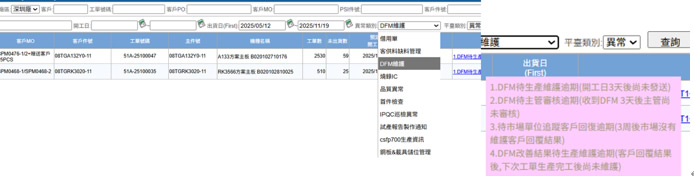
When the SMT departmental supervisor accesses their designated "Operations and Exception Management Platform," they will find numerous operation categories, such as first-piece inspection, plate and carrier management, inspections, DFM submissions, and more presented in a dropdown menu. This centralized aggregation of programs minimizes the time required for execution personnel and management professionals to sequentially access individual programs, thereby aiding in the prevention of omissions and ensuring more comprehensive and thorough execution of tasks.
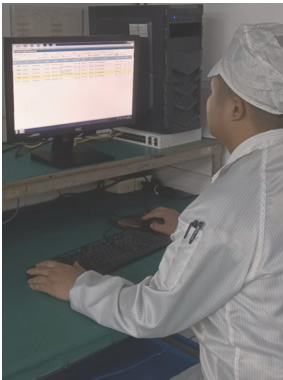
Management personnel will "open the Operations and Exception Management" platform during their work hours. When they select "Operations" from the "Platform Categories," all relevant electronic work items that need processing will be displayed. Related information is automatically hyperlinked to the corresponding operational modules, allowing for one-click management of the operations system.
Conversely, when the departmental supervisor selects "Exceptions" within the "Platform Categories," the platform will display reminders for overdue tasks and various exceptions requiring attention. Each category has clearly defined exception standards, enabling management personnel to quickly assess the situation. Relevant information is automatically hyperlinked to the corresponding operational modules, and upon completion of tasks, any current overdue exceptions will automatically disappear from the platform, indicating that the exception has been resolved. This facilitates more convenient, rapid, and efficient handling by on-site management personnel, minimizing omissions or delays in alerts and supervision of uncompleted tasks by subordinates (as illustrated below).
As smart manufacturing continues to develop, the MIS system will play an increasingly vital role in production exception management, providing enterprises with reliable, scientific, and efficient management tools, thereby achieving lean production processes and ongoing enhancement of corporate competitiveness.